PharmacyExam.com

Book Errata (Corrections)

Find corrections to our printed books. Select your book and check the edition or year printed in your copy. Each entry identifies the location of the error and provides the corrected information.

Clear filters

FPGEE Questions & Answers

Edition: 2027 · Page 17 · Question 128
Answer correction · Posted Sep 11, 2026

Original / Incorrect

According to Federal standard class 100 clean room is generally defined as:

A. Not more than 100 people working in a room.

B. Not more than 100 particles per cubic ft of 0.5 mcm or larger size.

C. Not more than 100 bacteria per cubic ft of 40 mcm or larger size.

D. Not more than 100 viruses per cubic ft of 40 mcm or larger size.

Answer: A class 100 room is defined as an environment that contains no more than 100 particles per cu ft of 0.5 mcm or larger size. Laminar flow of a HEPA filter should meet the standard for class 100 as defined by Federal standard. A class 10,000 clean room is a conventional clean room so it is less appropriate to carry out aseptic techniques.

Correction

Under USP <797>, ISO Class 5 air cleanliness permits which maximum concentration of airborne particles measuring 0.5 µm or larger?

A. 352 particles per cubic meter of air.
B. 3,520 particles per cubic meter of air.
C. 35,200 particles per cubic meter of air.
D. 352,000 particles per cubic meter of air.

Explanation Answer B: ISO Class 5 permits no more than 3,520 airborne particles measuring 0.5 µm or larger per cubic meter of air. This corresponds approximately to the former Class 100 designation. The classification concerns airborne particles, rather than counts of bacteria or viruses.

Correct answer: B

Corrected Explanation

Replace the outdated “Federal Standard Class 100” terminology with “ISO Class 5” and revise the choices to use particles per cubic meter. The correct answer is B: Not more than 3,520 airborne particles measuring 0.5 µm or larger per cubic meter of air. The original answer B correctly described the former Class 100 designation.
FPGEE Questions & Answers

Edition: 2027 · Page 56 · Question 499
Typo correction · Posted Sep 3, 2026

Original / Incorrect

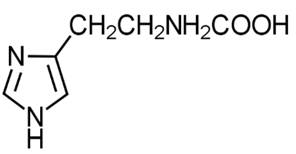
What is an active moiety in the following compound?

Untitled

 A. Methadone

B. 5-fluorouracil

C. 6-mercaptopurine

D. Procainamide

Answer: Imidazole is an active moiety of the listed compound.

Untitled-1

Correction

What is an active moiety in the following compound?

Untitled

A. Pyridine

B. Imidazole

C. Pyrrole

D. Pyrazole

Answer: Imidazole is an active moiety of the listed compound.

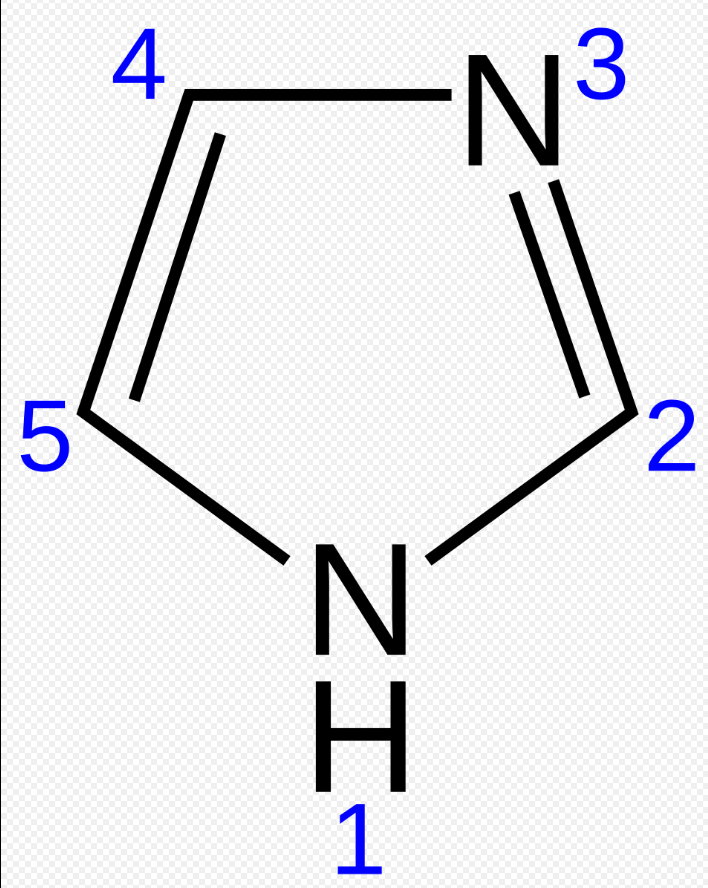
Imidazole

Correct answer: D

Corrected Explanation

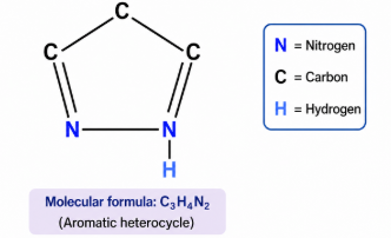
Corrected explanation: Imidazole is a five-membered aromatic ring with two nitrogen atoms at positions 1 and 3, separated by one carbon atom. Replace the answer illustration with the correct imidazole structure. The structure in the question is correct.

FPGEE Questions & Answers

Edition: 2027 · Page 205 · Question 129
Explanation correction · Posted Sep 11, 2026

Original / Incorrect

A HEPA filter is described as a High Efficiency Particulate Air filter. It is employed with Laminar flow for preparation of aseptic parenteral products. It is used for a class 100 clean rooms as defined by Federal standard. Smoke test, DOP test and microbiological essays are applied to find out the efficiency and quality of air provided by a HEPA filter. It has an efficiency of removing 99.97 % particles of 0.3 mcm or larger.

Correction

HEPA stands for High-Efficiency Particulate Air. HEPA filters are used in primary engineering controls, such as laminar airflow workbenches, to provide ISO Class 5 air for aseptic preparation of compounded sterile preparations. A HEPA filter removes at least 99.97% of airborne particles measuring 0.3 µm; smaller and larger particles are generally captured more efficiently.

Correct answer: B

Corrected Explanation

Replace “Class 100 clean rooms as defined by Federal standard” with “ISO Class 5 air cleanliness.”